Strona Główna
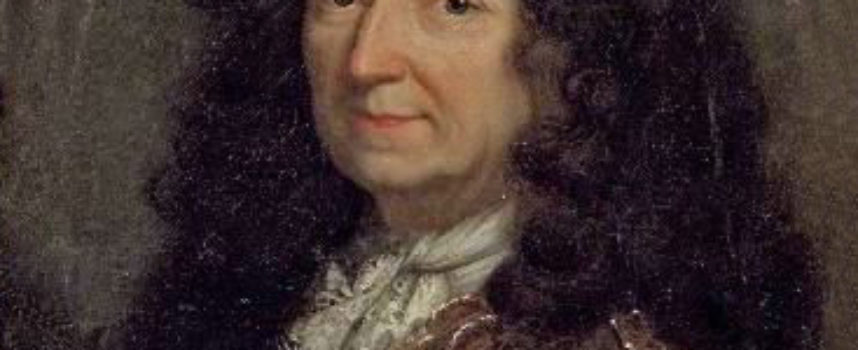
Mikołaj Sęp-Szarzyński Żył krótko i jeszcze w czasach renesansu, bo w latach 1550-1581. Uznajemy go jednak za prekursora baroku, i dlatego należy mu się słowo w ramach tej epoki. Zmarł młodo, pozostawił zbiorek Rytmy abo wiersze polskie, który zresztą wydał pośmiertnie brat poety. Niewiele wiadomo o utalentowanym twórcy. Pozostały dokumenty dotyczące procesów, w których brał udział, czy zaciągniętych przezeń pożyczek, informacje o zagranicznej edukacji i podróżach (był zapewne we Włoszech). Bywał na dworach Starzechowskich i Tarłów. Na tym ostatnim przeżył
Dramat antyczny – punktem odniesienia Skoro mówimy o przemianach (w tym wypadku dramatu), mamy na ogół na myśli jakiś punkt odniesienia. Coś, od czego się odchodzi, do czego się zbliża, nawiązuje, co poddaje się obróbce. Dla dramatu europejskiego takim punktem odniesienia jest starożytność grecka, a zwłaszcza V w. p.n.e., kiedy w Atenach następuje rozkwit tragedii, tworzonej przez Ajschylosa, Sofoklesa, Eurypidesa. Oto najważniejsze założenia sztuki tamtych czasów: 1. Podział tragedii na: prologos, czyli zapowiedź
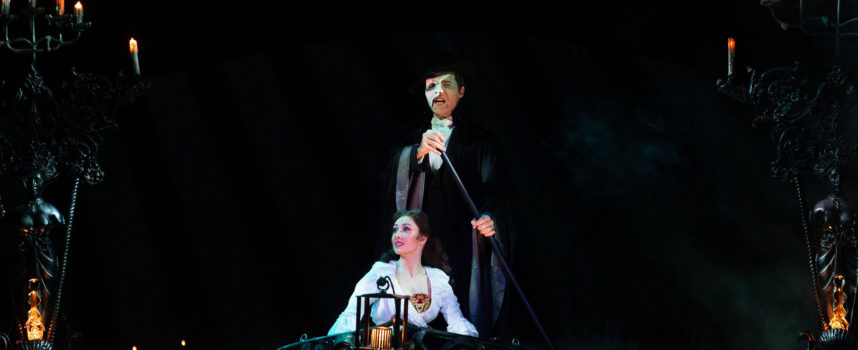
Reformatorzy z przełomu wieków Drogę XX-wiecznemu teatrowi awangardowemu utorowali reformatorzy z przełomu wieków. Ich pomysły dotyczyły, co prawda, scenicznych realizacji dzieł z repertuaru klasycznego, ale wprowadzając nowe metody pracy z aktorem, odmienną scenografię i twórczo podchodząc do tekstów, byli prekursorami współczesnego rozumienia teatru. Osobistości, o których nie wolno zapomnieć, to: Konstantin Stanisławski – rosyjski reżyser i aktor, ale również teoretyk teatru. Stworzył nową metodę pracy nad rolą (tzw. metoda Stanisławskiego), która polegała na maksymalnym wczuwaniu się
Gabriela Zapolska – jej najciekawszy dramat – Moralność pani Dulskiej (prapremiera: Teatr Miejski w Krakowie 1906, wyd. książkowe – 1907) ciągle gości w teatralnych repertuarach i jest żywo przyjmowany nawet w tak odległych zakątkach świata jak Chiny czy Argentyna. Co decyduje o jego uniwersalnym i ponadczasowym charakterze? Ważkość przedstawionego problemu (ludzkie zakłamanie, obłuda), tak samo znanego ludziom z różnych epok i spod różnych szerokości geograficznych, galeria charakterystycznych i wiarygodnych psychologicznie postaci (obłudna bohaterka tytułowa, przebiegła Juliasiewiczowa) oraz – komizm.
Powtórz materiał literacki metodą pięciu pytań: kto, co, gdzie, kiedy, o czym – napisał. Przegląd literatury polskiej Najważniejsi twórcy i ich dzieła ŚREDNIOWIECZE Króluje twórczość anonimowa – tak jak w Europie, tak i w Polsce nie wypada przechwalać się talentem. Ale literatura polska dopiero się rodzi, pierwsze całościowe utwory w języku ojczystym zwiemy zabytkami polskiej literatury, a dłuższe teksty (np. kroniki) pisane są po łacinie. Zabytki literatury polskiej Bogurodzica – arcydzieło średniowiecznej literatury. Pierwszy
Ćwiczenie (Present Simple): Przetłumacz zdania. 1. Sue nie lubi jabłek. 2. Ben jest rolnikiem. 3. Codziennie chodzę do szkoły. 4. Czy Samantha odrabia codziennie lekcje? 5. Nigdy nie jeŹdzimy nad morze. 6. Od czasu do czasu Liz czyta gazety. 7. Prawie nigdy nie noszę spódnic. 8. Czy jesteście studentami? 9. Czy Leon lubi Betty? 10. Agatha i Tom nie mieszkają w Warszawie. 11. W każdy piątek chodzimy do teatru. 12.
At what time? – O której godzinie? In how many hours / minutes / days? – Za ile godzin? When was it? – Kiedy to było? before noon – przed południem before 7 p.m. – przed siódmą after 10 p.m. – po dziesiątej at noon – w południe at night – w nocy at midnight – o północy at about 4 p.m. – około czwartej po południu before – wcześniej later
You are what you wear (nosić, ubierać)! It’s a motto of many young people. Teenagers love fashionable clothes and they always try (próbować, starać się) to look good. School can be the perfect place to show your sense of fashion (wyczucie mody) – especially because you spend most of your time there. In many countries students have to wear special clothes for school. Malaysia, Malta, Philippines, Singapore – are countries where
What is your attitude to fashion? Everyone of us thinks about what we wear. Answer the questions below and find out what fashion means to you. 1. You moved to a new place and tomorrow’s your first day at a new school. A. You wear the most shocking clothes you have. B. You wear something you think you look good in. C. You try to get something that kids in the area wear.
We asked six people to tell us how they feel about their holidays this year. Tomek, Zosia and Krzysiek are incredibly (niesamowicie) happy because: “I don’t go to school and finally, after ten months of waiting, I can sleep as long as I want!”. – Tomek has to get up at 6 o’clock in the morning to get ready for school. He catches (łapie) his bus at 7! “You can travel, go
Zadanie Wstaw wycięte zdania tak, aby cały tekst miał sens. You can also find many chemicals in this kind of food …you’ve eaten fast food, you throw away the packaging …forest have been cut down to create soya farms… …everything can be genetically modified… …many people love going to fast food restaurants… You can buy a fresh tomato in Paris that came from Cyprus… The age of junk food We
Temat: �podróżowanie i turystyka Zadanie maturalne Przeczytaj uważnie powyższy artykuł, z którego usunięto pięć zdań. Zdania te wraz z jednym, dodatkowym zdaniem, które nie pasuje do żadnej luki, oznaczono literami A–F. Dobierz zdania tak, aby otrzymać spójny i logiczny tekst. W każde puste miejsce wstaw literę odpowiadającą wybranemu zdaniu. I’ve hitchhiked all over the world! Although hitchhiking seems to have lost some popularity in recent years, sometimes this is the
Have you ever heard of a very discipline called orienteering? It’s a running sport that involves (zawiera) navigation with a map and compass… The most important thing during such a run is to get to your destination safely (bezpiecznie dotrzeć do celu). That’s why you have to train in four basic skills (cztery podstawowe umiejętności): 1. Reading a map (czytanie mapy) First of all you have to make sure (upewnić
Where to go with a teenager Some parents don’t know how to organise holidays to make their children happy. Especially, when they have teenagers at home! What do teenagers like doing? Where would they have a good time? Some parents asked questions to the Junior High School students. What were their answers? Question 1 I would like to prepare a surprise trip for my daughter. We don’t have much time
Some parents don’t know how to organise holidays to make their children happy. Especially, when they have teenagers at home! What do teenagers like doing? Where would they have a good time? Some parents asked questions to the Junior High School students. What were their answers? Question 1 I would like to prepare a surprise trip for my daughter. We don’t have much time for each other during the holidays.
Travell as you like There are no holidays without travelling! It’s very important to choose the best means of transport (środek transportu) for you and your family. You should feel comfortable and safe whilst (podczas) travelling. Through the air (w powietrzu) Travelling by plane is the fastest way (najszybszy sposób) to get anywhere nowadays. It takes about 4 hours to get from Warsaw to Barcelona, and 12 hours from Barcelona
Before you go… You go on a camp this year. Obviously you want to have a good time. Before you go, think of some important points! Problem no 1 How to persuade (przekonać) your parents to give you more pocket money (kieszonkowe)? Tell them you need to send a lot of postcards. They don’t want your friends, grandparents to forget about them during the summer! You are going to a beautiful place and you
Zadanie (gap filling) Wstaw poszczególne wyrazy w odpowiednie miejsca tekstu. Sense; chocolates; food; practise; manners; fork; example; age; invited; called British people and tourist The British are said to be reserved in __________ (1), dress and speech. They are famous for their politeness, self-discipline and especially for their _________(2) of humour. There are also things you need to be prepared for. Visiting people in their houses When you are _____________(3)
Travel to English-speaking countries It is very easy for English speakers to travel around English-speaking countries. Those countries are historically interesting (historycznie interesujące), generally safe and you can see spectacular views (cudowne widoki) there. You can easily travel from a big modern city to a National Park. The eco-friendly development (rozwój przyjazny środowisku) of these landscapes makes these countries the best in the world for outdoor activities (zajęcia na świeżym
Temat: �podróżowanie i turystyka Zadanie maturalne Przeczytaj uważnie poniższy artykuł. Na podstawie informacji zawartych w tekście zdecyduj, które zdania w tabeli są zgodne z treścią tekstu (TRUE), a które nie (FALSE). Zaznacz znakiem X odpowiednią rubrykę w tabeli. Dazzling, unique, modern and traditional – Just Dubai! Where is the only in the world seven-star hotel situated? Where can you find one of the most beautiful carpets as well as