Strona Główna
Do you make friends easily? Czy łatwo się zaprzyjaźniasz? Holidays are wonderful! You don’t have any problems with your homework and all you could worry about is packing your suitcase. And we all know that holidays are the best time to meet new people! The test below will help you to find out what kind of person you are. Good luck! Wakacje są wspaniałe! Nie masz żadnych problemów z pracą domową
Czasownik like oznacza lubić. Słowa tego używamy również, jeżeli coś porównujemy. Pamiętaj jednak o zasadach użycia like w takim przypadku! PORÓWNANIA Przy porównaniu dwóch rzeczy możesz użyć zarówno słówka as, jak i like. Musisz pamiętać jednak, że znaczenie zdania, w zależności od tego, którego z tych dwóch słów użyjesz, zmienia się. I tak: LIKE używamy, gdy porównujemy jedną rzecz do drugiej, szukamy podobieństw, np.: She looks beautiful! She is like a princess. Ona wygląda pięknie. Jest JAK
Be fruity! Bądź owocowy! Choose your favourite fruit! Then check who you are and what you should do for a living… Wybierz swój ulubiony owoc! Później sprawdź, jaki jesteś i jak powinieneś zarabiać na życie… APPLE Character: You are tough and you never show your feelings but if you let yourself be sensitive once, you’ll be sensitive forever. Job: You will make a career as a skyscraper window cleaner or a pilot but don’t be
Does money rule your life? Czy pieniądze rządzą Twoim życiem? Do you want to be rich? I’m sure you do! Everybody does. But do you really care about money? Or maybe you really have an obsession about cash?! Answer the questions and find out how money affects your life and if you can do anything about that. Good luck! Czy chcesz być bogaty? Na pewno tak! Każdy chce. Ale czy
Do you go crazy about somebody easily? Czy łatwo tracisz dla kogoś głowę? 1. You arrive at a party and there are many people that you don’t know at all. What do you think of them? a. They are all really strange and they don’t seem to like me. b. I don’t really care as long as they don’t bother me. c. They are fantastic and I’m happy to be there with
Charakterystyka zawodu Operator obrazu to jeden z bardziej bardziej prestiżowy zawód z branży filmowej. Nadzoruje i koordynuje pracę realizatorów, kamerzystów oraz fotografów na planie. Jest łącznikiem, który przekazuje pomysły reżysera pozostałym członkom ekipy filmowej. Operator obrazu jest odpowiedzialny za jakość artystyczną i techniczną obrazu. Wraz z reżyserem ustala harmonogram zdjęciowy na planie. Przy kręceniu scen plenerowych musi uwzględnić zmieniające się warunki pogodowe, zmiany nasłonecznienia itp. Dlatego ściśle współpracuje z zespołem
Spójrz na przykład: Tom said: „I’m going to the cinema”. Tom said that he was going to the cinema. Kiedy używamy mowy zależnej? Mowy zależnej (po angielsku: Reported Speech) używamy, gdy mówimy o przeszłości. Jeżeli przytaczasz cytat, nie zmieniasz żadnego słowa – to jest oczywiste. Jednak kiedy chcesz użyć własnych słów, musisz pamiętać o pewnych zasadach. Bardzo ważne: zmiana czasu Gdy zamieniasz cytat na zdanie w mowie zależnej, pamiętaj o zasadzie jeden czas do
Let the dice foretell your future! Pozwól kościom przepowiedzieć Twoją przyszłość! * dice – kostki do gry, liczba pojedyncza: die – kostka do gry For ages people have trusted in dice. It is said they are fortune tellers as well as bringing good luck amulets. Od wieków ludzie ufają kościom. Mówi się, że są zarówno „przepowiadaczami” przyszłości, jak i amuletami przynoszącymi szczęście. Foretelling with dice! Przepowiadanie przyszłości za pomocą kości! Do
Na pewno zetknąłeś się już z takimi zdaniami jak: It is said that we are rich. (Mówi się/ Ludzie mówią, że jesteśmy bogaci.) albo Mary and John are thought to be married. (Sądzi się/ Ludzie sądzą, że Mary i John są małżeństwem.) Zapamiętaj! Jeżeli zdanie w stronie czynnej ma konstrukcję: Podmiot (najczęściej: people, they, everybody) + czasownik (say, think, feel, expect, believe itp.) + THAT + zdanie z czasownikiem, np.: People say that Jerry
Tree’s horoscope Drzewny horoskop BIRCH (brzoza) 1 January – 10 February It’s a delicate, beautiful and elegant tree. Everybody likes it and it’s often invited to parties. It’s always very polite and doesn’t disturb anyone. The Birch loves nature and that’s why it’s calm. It can cope with new situations in its life very easily! When the Birch loves someone, this is a true and sincere love but without a great passion! To
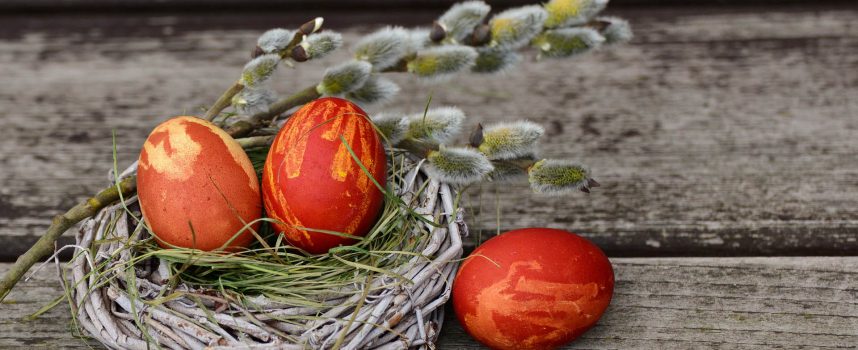
Give your friendship’s egg Podaruj swoje jajko przyjaźni In Germany when people visit their friends during Easter, they always bring Easter egg to show that they really care about them. If you want to give your friend this present, check out what different Easter eggs say about your friendship. Think about your best friend then pick up one of the given eggs and read the description. W Niemczech, kiedy ludzie
Do you care about your body and mind? (Czy dbasz o swoje ciało i umysł?) It is said that people are minds and bodies and that’s obvious. More often people try to keep fit but they also remember to take care of their minds. In the USA, for example, there are many clubs where you can train your body and your mind at the same time, e.g. while working out, you
When you have some problems with your body, health or with your mind, you don’t have to go to a doctor straight away. You can try to solve your problems with particular colours. One thing of a colour that can help you in your room is enough to make you feel better. (Kiedy masz jakieś problemy ze swoim ciałem, zdrowiem lub umysłem, nie musisz od razu iść do lekarza. Możesz spróbować rozwiązać
Which season of the year are you? (Jaka porą roku jesteś?) Answer the questions below and find out what kind of person you are. The test will tell you whether people like you or not and if you can love really deeply. (Odpowiedz na poniższe pytania i dowiedz się, jaką jesteś osobą. Test powie Ci, czy ludzie Cię lubią, czy nie i czy potrafisz kochać naprawdę głęboko.) 1. For you,
Zdania warunkowe w języku angielskim mają określoną konstrukcję. Są trzy warunki (Type 1; Type 2; Type 3). W wielu podręcznikach pierwszy jest poprzedzony warunkiem zerowym (Type 0), jednak nie zdziw się, jeżeli Type 0 nie będzie wyszczególniony, a zasady jego użycia będą podane przy pierwszym warunku. Konstrukcja: IF + Present Simple, Present Simple lub: Present Simple IF Present Simple Zauważ! Kolejność zdań składowych jest obojętna tak jak w języku polskim, np.: If you turn
Can you make your love interested in you? Czy potrafisz sprawić, że Twoja miłość zainteresuje się tobą? Are you in love? Do you want to know if you have a chance with the person you like? Well, check it out. (Jesteś zakochany? Chcesz wiedzieć, czy masz szansę u osoby, która Ci się podoba? Sprawdź to.) 1. You’ve just seen him/ her in a bus. What would you do? a. I’d
Obu tych form (WILL albo BE GOING TO) używasz, jeżeli chcesz powiedzieć o czymś, co wydarzy się w przyszłości. Jednak różnica w ich znaczeniu obu tych form jest bardzo istotna. Spójrz na sytuację: Rozmawiasz z koleżanką przez telefon i zapraszasz ją na drugi dzień na kawę. – Great! I will come for sure – mówi. – But remember that I drink coffee with milk! Ty akurat nie masz w domu mleka, ale obiecujesz jej: – OK, I will buy
NEW YEAR (Nowy Rok) All around the world people celebrate the coming of a New Year but not everywhere the time and the way of celebrating are the same! (Na całym świecie ludzie świętują nadejście Nowego Roku, ale nie wszędzie czas i sposób świętowania są takie same!) Iranian „No Ruz” – lasts 13 days and begins in March because spring begins in March. People plants miniature container gardens. They eat a special meal
CELEBRATING CHRISTMAS ALL OVER THE WORLD (Obchody święta Bożego Narodzenia na świecie.) Have you ever thought how people all over the world celebrate Christmas? (Czy kiedykolwiek myślałeś, jak ludzie na świecie obchodzą święta Bożego Narodzenia?) Paraguay – December is the summer season in South America and there are blooming flowers everywhere, that’s why houses and churches are decorated in bright colours to match the flowers. In every church, as well
St. Nicholas Day – Mikołajki The 6th of December is a day which lets you give a present to a person that you like. But have you ever thought about the meaning of a present that you got? (Szósty grudnia jest dniem, kiedy możesz dać prezent osobie, którą lubisz. Ale czy zastanawiałeś się kiedyś, co oznacza prezent, który dostajesz?) If you are a girl and you get a present from a boy! (Jeżeli jesteś dziewczyną i dostajesz prezent